Congress Stalled on CLARITY. The SEC Just Handed RIAs a Crypto Playbook Anyway.

Picture a restaurant where nearly every table orders the same dish, and the kitchen keeps saying it isn’t allowed to cook it. The customers don’t stop wanting it. They eat it somewhere else.
That’s been life for the registered investment advisor in crypto.
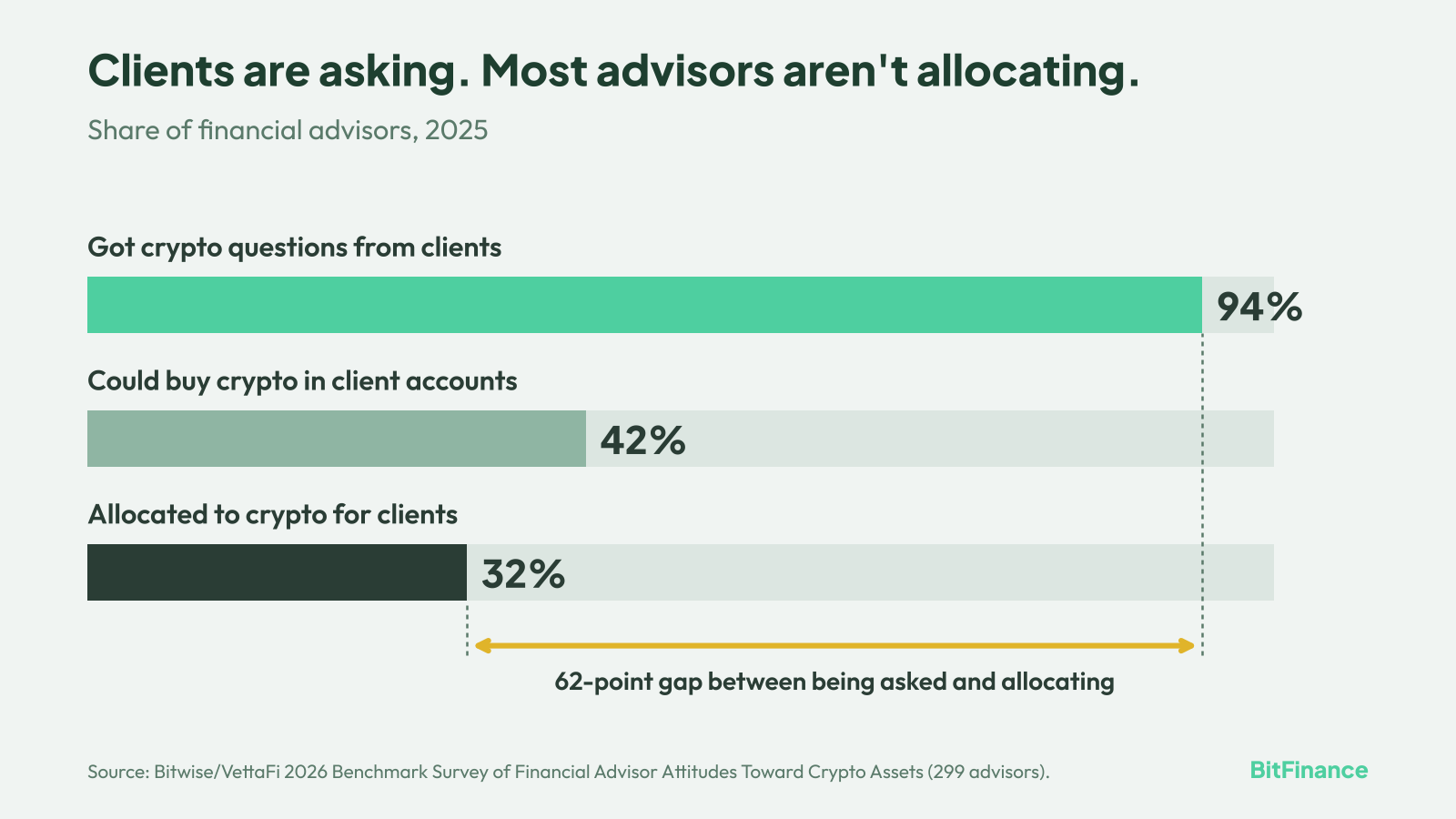
In the latest Bitwise/VettaFi advisor survey, 94% of advisors said clients asked them about crypto in 2025, but only 32% allocated to it in client accounts.
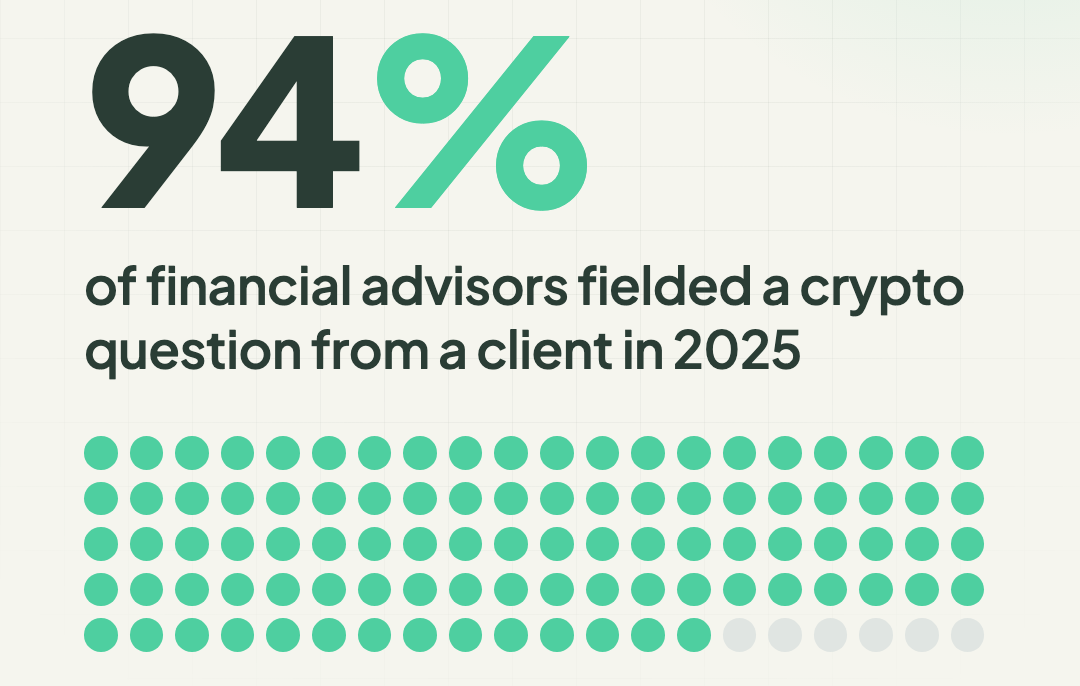
The gap between those two numbers is money that left the building. It’s sitting at Coinbase, at Robinhood, or on a hardware wallet in a sock drawer, outside the plan your advisor is paid to manage.
Last Thursday, the SEC started handing the kitchen a license to cook.🧑🍳
What Changed
On October 1, the SEC proposed new custody rules for registered investment advisors (RIAs) and regulated funds, written with crypto in mind. Chairman Paul Atkins called it a compliant pathway where none existed before.
Some background for context
When an RIA has custody of client assets, the rules generally require a qualified custodian, usually a bank or broker-dealer, to hold them. Those rules were written for stocks and bonds. With crypto, finding a custodian that clearly qualified, and that supported the assets clients wanted, turned into a fact-specific legal headache. Most firms solved it by offering only crypto ETFs, or by saying no.
The proposal does three things that matter:
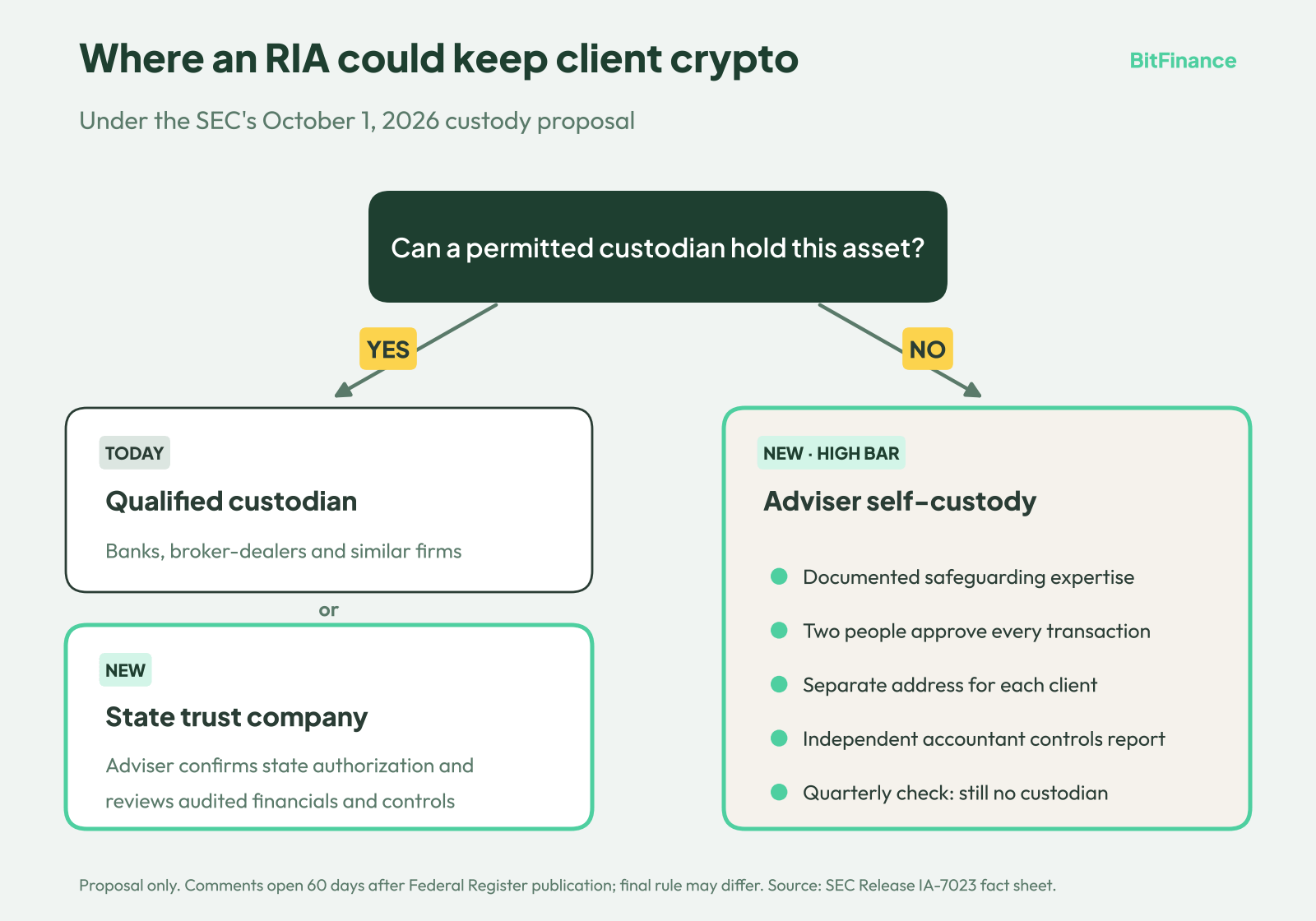
State trust companies count. Advisors could hold client crypto with state-chartered trust companies, as long as they do their homework every year: confirm the state license, review audited financials and internal control reports, and make sure client assets are kept separate from the trust company’s own. Staff relief already allowed this in 2025, and the proposal would put it in the rulebook.
Self-custody, with a high bar. If no qualified custodian can hold a particular asset, the advisor could hold it directly. The conditions are serious: documented expertise, two people signing off on every transaction, a separate wallet address for each client, an independent accountant’s controls report within six months, and quarterly statements.
Cleanup for everyone. Auditors under the custody rule would no longer need to be PCAOB-registered, there are new exceptions for standing letters of authorization and accidental custody, and certain records could live on a blockchain.
It’s still a proposal. Comments stay open for 60 days after it’s published in the Federal Register, and the final version could look different.
Work With an Advisor? Here’s What this Means
For most investors, this comes down to one word: together.
Today, if you own Bitcoin and work with an RIA, your advisor probably can’t see it, can’t rebalance it, and can’t plan around it. Your crypto lives in a different app with a different login, and nobody owes you a fiduciary duty for it.
Under this framework, more advisors could bring those assets under the same roof as the rest of your portfolio. You’d get one plan, one picture of your risk, and an advisor legally obligated to act in your best interest across all of it, including the volatile parts.
The safeguards are worth knowing too.
Segregated assets, annual custodian reviews, audited controls, and two-person sign-off are more protection than most people have on an exchange account today.
If your advisor still won’t touch crypto a year from now, that’ll be their choice.
What it Means for RIAs
The business case is plain arithmetic. Take a firm with $500 million under management as an example.
If its clients hold the equivalent of 2% of that in crypto somewhere else, that’s $10 million the firm can’t see or bill on. At a 1% fee, that’s $100,000 a year sitting in other people’s apps.
These are illustrative numbers, but run them against your own book and they get interesting fast.
The proposal gives firms more than fees:
Retention. Clients no longer have to split the relationship to get crypto exposure. That matters most with younger clients and heirs, who are the most likely to own it.
A clearer exam story. A written framework beats interpretive guesswork when an SEC examiner shows up.
Room beyond ETFs. Assets that no custodian supports yet are no longer automatically off the table.
The part I won’t gloss over: self-custody isn’t a weekend project.
Documented expertise, key management, cybersecurity reviews, and an accountant’s controls report all cost real money. For most firms the practical path will be a vetted trust company or a federally chartered custodian, with self-custody reserved for the few that build the muscle for it.
The Buffett Framework Question
Buffett tells investors to stay inside their circle of competence. This rule writes that idea into regulation: an advisor can self-custody only the assets it can document expertise in safeguarding. If you’re choosing an advisor, ask the same question in reverse. Does the person holding your crypto understand what they’re holding, or are they learning on your account?
Meanwhile, at the CFTC
The SEC isn’t the only agency moving without Congress. After the CLARITY Act stalled in the Senate last month, CFTC Chairman Michael Selig unveiled his agency’s first crypto market proposals yesterday, October 5.
There are two pieces.
Regulation Crypto Asset Transactions (CTX) defines which leveraged, margined, or financed retail crypto trades the CFTC oversees.
Regulation Crypto Asset Markets (CAM) creates a new license for exchanges that offer them. This is an advance notice, a step earlier than the SEC’s proposal, so expect the details to move.
For advisors the impact is indirect, since this is about trading venues rather than custody. Over time it could mean regulated, onshore venues for the leveraged products many clients trade offshore today, which gives advisors a better answer when a client asks about them.
Put the two together and you can see the shape of it. The agencies are building the framework Congress hasn’t.
The View From Here
None of this is final. But make no mistake…more and more clients are asking about adding (or managing) digital assets in their portfolios.
Proposals change, comment letters will push in both directions, and a future SEC could rewrite what this one writes. Some advisors will read the self-custody conditions and decide crypto still isn’t worth the trouble, and for plenty of firms that’s a reasonable call. Investors who prefer holding their own keys won’t need any of this.
What changed is the default. For years, the safest answer an advisor could give was no. This proposal creates a compliant yes, with conditions, for the firms willing to do the work.
Back to the restaurant.
The customers never stopped ordering the dish. The kitchen is finally getting permission to cook it, and the ones that learn the recipe first are going to keep a lot of tables.
In Case You Missed It!

The XRP Stock That Doubled Before It Listed (Oct. 2)
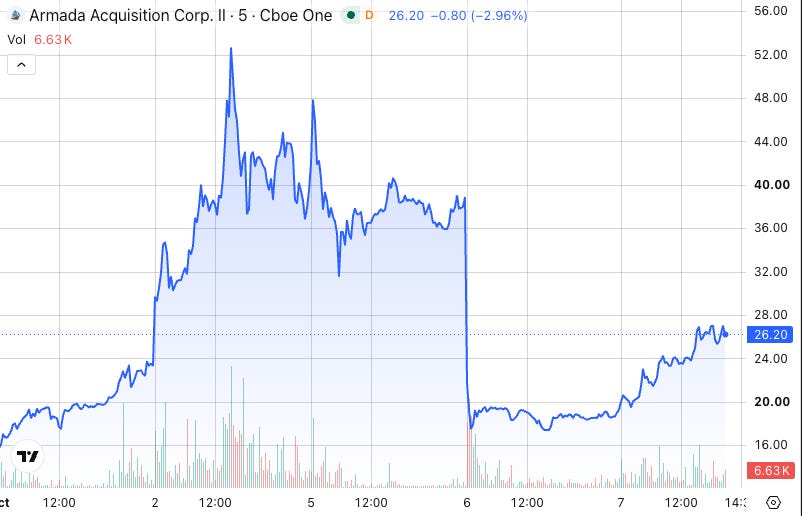
Last week I covered Evernorth (XRPN), the Ripple-backed XRP treasury company turning a SPAC into the largest public pure-play XRP orchard. Since then the stock has run as high as $50 and come back down into the $20s, and the Nasdaq transition has been pushed to October 9. The two numbers to watch haven't changed: XRP per share, and how much of a premium you're paying over the XRP it holds.
Matthew Snider is the founder of BitFinance and principal at Block3 Strategy Group, where he advises emerging digital asset fund managers and RIAs on fund operations and compliance frameworks. He holds both Series 65 and Series 7 licenses, and is the author of Warren Buffett in a Web3 World.
This material is for informational and educational purposes only and does not constitute investment advice, legal advice, a recommendation, or an offer to buy or sell any security. Digital assets involve substantial risk, including total loss of principal. The SEC custody rules and CFTC Regulations CTX and CAM are proposals that may change or never take effect. Consult your own financial, tax, and legal advisors before making investment decisions.
Sources
SEC Proposal Would Address How Investment Advisers and Funds Can Custody Crypto Assets, Press Release 2026-100 (SEC, October 1, 2026)
Fact Sheet: Investment Adviser and Regulated Fund Custody Rules; Crypto Custody Rules (SEC, October 1, 2026)
Chairman Paul S. Atkins, Statement on the Crypto Custody Proposal (SEC, October 1, 2026)
The Bitwise/VettaFi 2026 Benchmark Survey of Financial Advisor Attitudes Toward Crypto Assets (Bitwise, January 13, 2026)
Survey shows financial advisor crypto allocations are set to rise again in 2026 (The Cryptonomist, January 14, 2026; source for the 94% figure)
SEC Crypto Counsel Outlines Custody Path for Advisers and Broker-Dealers (Coin Insider, September 2026; source for 2025 state trust company relief)
CFTC Proposes First Crypto Market Rules as Congress Stalls on CLARITY (Cryptopolitan, October 5, 2026)
CFTC Chairman Selig says the Commodity Exchange Act already works for Bitcoin (Crypto Briefing, October 5, 2026)
The CLARITY Act Stalls in the Senate: What’s Next for Digital Asset Regulation (Orrick, October 2026)