BitFinance Weekly Round Up 2/21

Buffet Bot Diaries
The market pulled back this week. The portfolio is down about 4%.
That is not the interesting part.
Wednesday night I got a Discord alert that the bot had sold KMNO (Kamino), a DeFi lending protocol it had purchased days earlier with a fundamental score of 90 out of 100.
My first reaction was that something had broken. A wash sale. A logic error. The kind of thing that makes you reach for the laptop.
Here’s what actually happened.
The bot bought KMNO on February 15 at $0.02998. Price climbed to $0.03394, then the broader market softened and KMNO dropped 16.4% from that peak. That triggered the 15% trailing stop, which is anchored to the high-water mark, not the entry price. It sold at $0.02839 for a 5.3% loss.
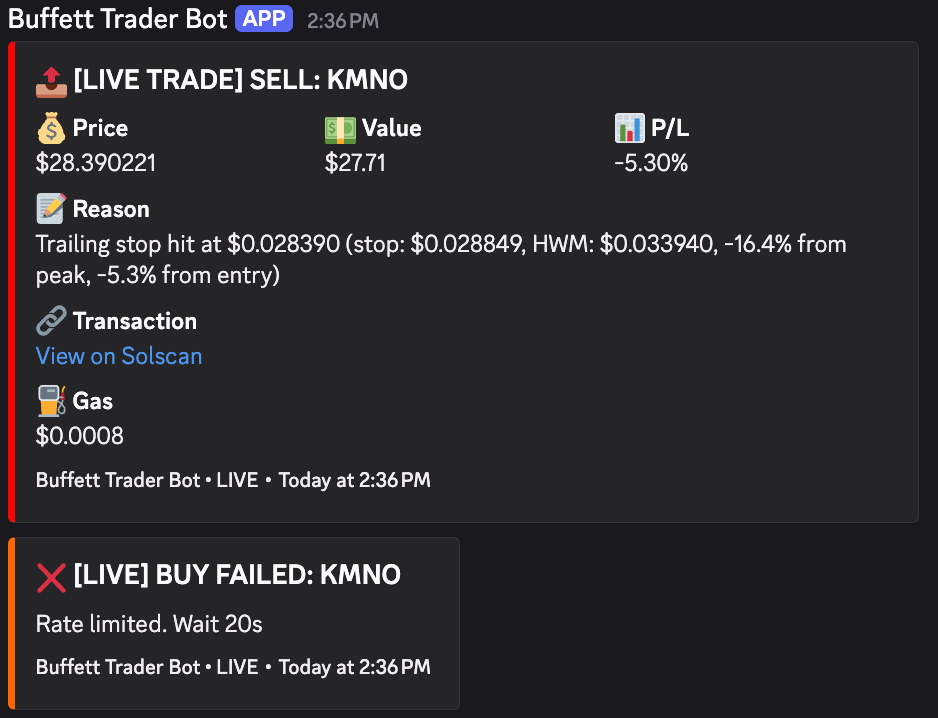
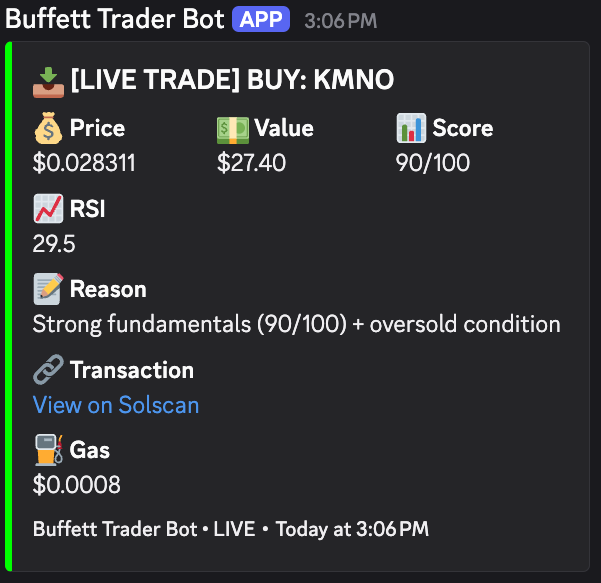
Thirty minutes later, it bought KMNO again at $0.02831. The RSI had cratered to 29.5. The fundamental score had not changed. The bot saw the same quality asset at a better price and re-entered.
The trailing stop protected capital on the way down. The re-entry captured the dip. Same position, more tokens, lower cost basis. That is textbook risk management, executed automatically at midnight because the bot does not sleep.
The Blind Spot
The more interesting discovery came when I looked at the full portfolio. The bot holds WIF, BOME, POPCAT, MEW, and KMNO. Four of those five are meme coins. KMNO is the exception. The bot was functionally a meme coin trader wearing a value investor’s hat.
The reason is structural. The scoring engine rewards volume and liquidity, which are metrics where meme coins dominate during active trading. A meme coin riding a wave of Twitter attention can score 75 to 90 on those metrics alone, while a quiet DeFi protocol doing real work might only hit 65 to 70. There was no “project quality” metric in the model. No way to distinguish between genuine adoption and hype cycles.
Three Options, One Choice
We evaluated three approaches to fix it:
Hard rebalance. Force-sell meme positions immediately. Rejected. Unnecessary risk during a market dip, incurs slippage, and sells losing positions at the worst possible time.
Weighted scoring overhaul. Completely rebuild the scoring engine from scratch. Rejected. Too much disruption to a system that is otherwise working correctly.
Additive quality layer with a soft cap. Add a project quality metric on top of the existing scoring and enforce a meme category cap on new buys only. This is what we went with. It is non-destructive, backward compatible, and lets the portfolio rebalance organically as existing positions hit their natural exit points.
What Changed
The bot now classifies every token into categories: infrastructure, DeFi, liquid staking, gaming, and meme. It scores project quality on a 0 to 30 point scale that rewards deep liquidity, holder dispersion, price stability, verified profiles, and battle-tested age. Infrastructure and DeFi protocols can score 25 to 30 bonus points. Meme coins score 0 to 5.
A 30% meme cap blocks new meme buys until existing positions exit naturally. The watchlist expanded from roughly 30 to roughly 50 curated tokens, and a dynamic tracking system automatically discovers and remembers quality DeFi protocols as they gain traction. No manual updates needed.

The net effect: the bot gradually rotates from speculation toward real utility while preserving all existing positions and safety mechanisms. Nothing was force-sold. Nothing was disrupted. The system got smarter without getting reckless.
The Takeaway
I built this system six weeks ago without knowing how to code. This week it taught me something about my own model that I would not have noticed for months if I were managing these positions manually. Then it helped me fix the problem, evaluate the tradeoffs, and deploy the solution.
The portfolio might be down 4% this week.
But the system is better than it was on Monday.
Want to Build Your AI Trading Bot?
Let Me Know!
The Buffett Bot Diaries has generated more inbound than anything I’ve published. Several of you have asked how to build something similar.
If there’s enough interest, I’m putting together a live session covering the full build: the scoring system, the architecture, and how I went from zero coding experience to a working autonomous trader.
This is AI education, not investment advice. The bot is the case study.
If you want in, raise your hand here. I’ll only run it if enough people ask. No drip campaigns. Just a heads-up when it’s ready.
Fill out the 30-second interest form here. 👈
Moving right along…
This Week in Two Minutes
The Dalio Myth (Feb 18)
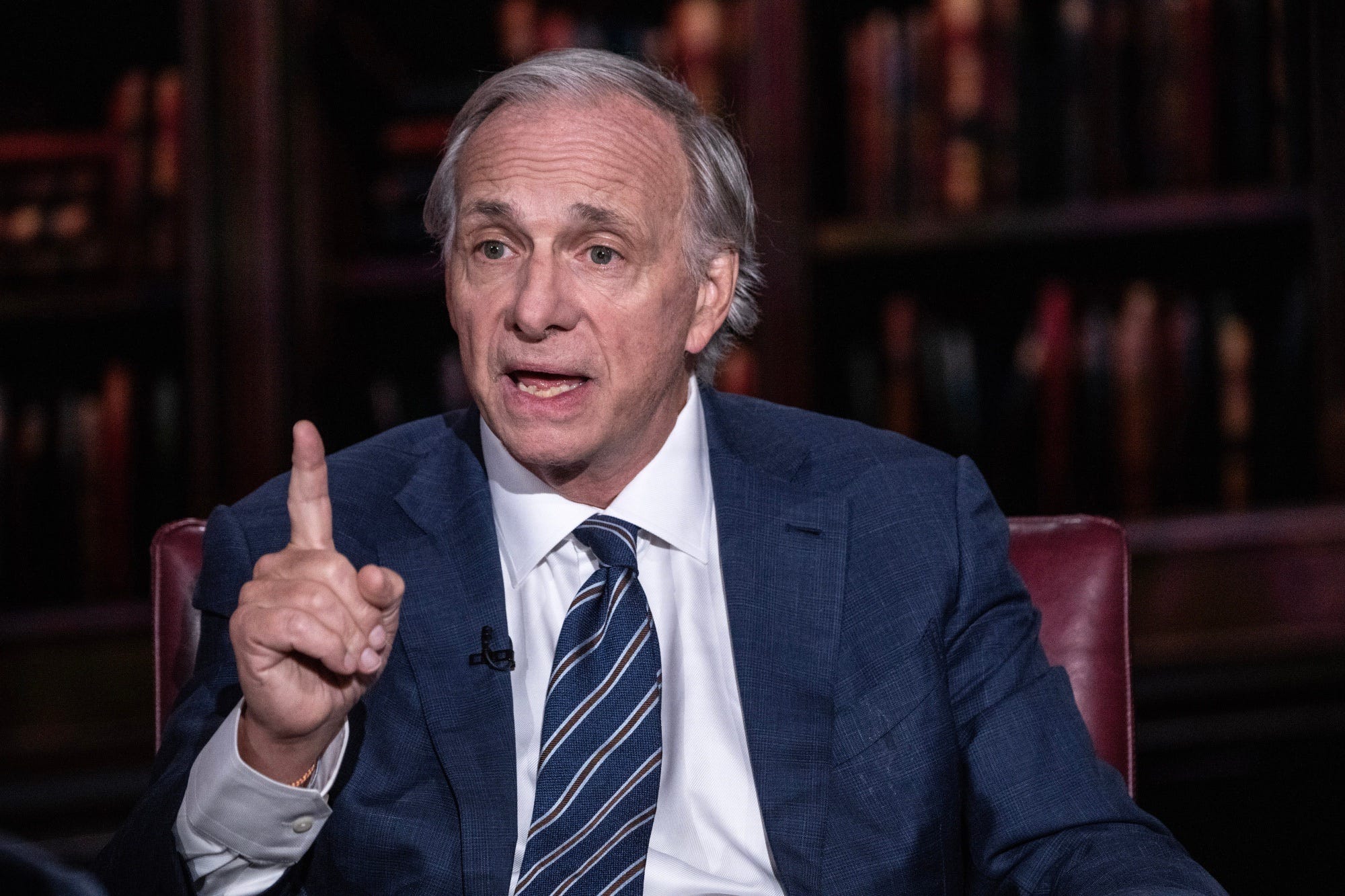
I like to ask questions most of finance refuses to ask: what happens when reputation replaces results?
Over a 10-year window ending in 2023, Bridgewater’s All Weather fund returned 43% while a standard 60/40 portfolio returned 90%. In 2020, Pure Alpha II lost 18.6% during COVID volatility, the exact conditions macro funds are built to capitalize on.
The piece traces the gap between Dalio’s public persona and the internal record, including a culture of radical transparency that apparently exempted its architect. The uncomfortable conclusion: when the scoreboard says one thing and the brand says another, it is usually the scoreboard that is telling the truth.
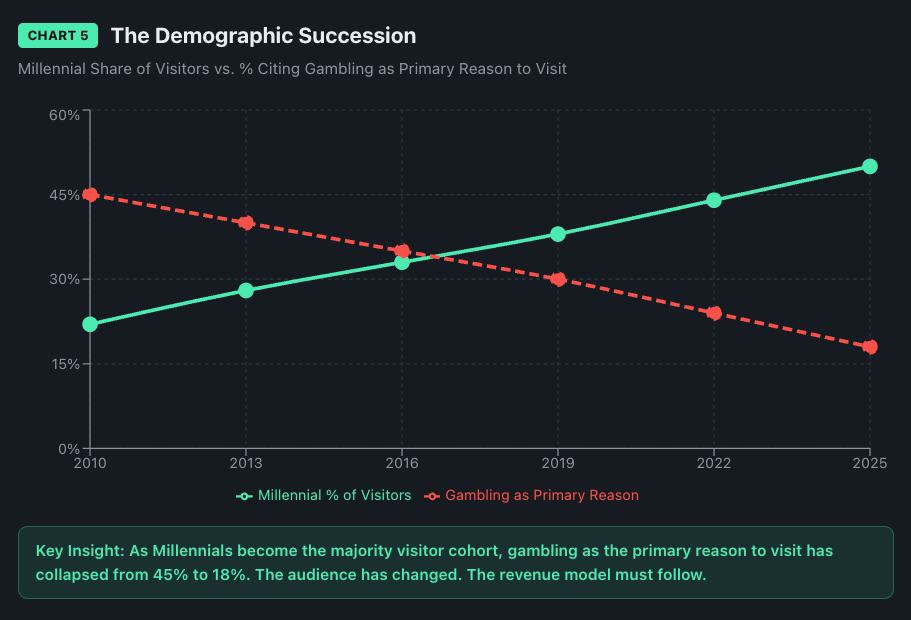
Vegas Tore Down the Tropicana to Build a Baseball Stadium (Feb 19)
Las Vegas has already undergone one of the most consequential capital reallocation stories in American real estate.
Non-gaming revenue now represents roughly 74 cents of every dollar spent on the Strip.
The Tropicana was razed for a baseball stadium.
The F1 Grand Prix generated $1.5 billion in economic impact in year one.
Sphere Entertainment reported $1.22 billion in revenue for fiscal 2025 and posted its first quarterly profit.
The thesis is straightforward: gaming revenue has a ceiling; live experience revenue has a different growth curve entirely.
Investors still underwriting Vegas as a gaming story may be one business model behind.
Winners & Losers (Week of Feb 20)
Winners 🏆
Zcash (ZEC). Barry Silbert suggested this week that 5-10% of Bitcoin allocations could shift toward privacy coins, calling Zcash capable of 500x returns. Whatever you think of the projection, the effect on price was real. ZEC surged roughly 33%, from the $230 range to above $330 before settling around $307. When a credible voice attaches a specific thesis to a small-cap asset, the market tends to price the narrative before it prices the fundamentals. Don’t chase; understand the mechanics.
Stablecoin Infrastructure. The GENIUS Act is now law. Banks are already lobbying to reopen debate and slow competitive pressure, which is usually a reliable signal that something meaningful just happened. Stablecoins processed over $10 trillion in transactions in 2024. The regulatory framework is now in place. The fight has shifted from “whether” to “who captures the rails.” That distinction matters for anyone building or allocating in this space.

Hyperliquid (HYPE). While most of the market spent the week selling, Hyperliquid’s share of perpetuals volume climbed from roughly 18% in December to above 33% by end of January, and the price reflected it. HYPE rallied from the low $20s to test the $32-$34 range before pulling back. When a decentralized venue starts capturing institutional-grade flow at that rate, it usually means the infrastructure gap with centralized exchanges has narrowed enough to matter. That is worth tracking regardless of where price settles in any given week.

Losers 📉
Solana (SOL). Down approximately 15% this week, with RSI firmly in oversold territory and MACD running negative. This is not an isolated move. Macro de-risking has been broad and indiscriminate. Solana’s on-chain metrics remain strong, and institutional flows reportedly turned positive late in the week. But the price action is a reminder that strong fundamentals and strong short-term returns are two different assets.
World Liberty Financial (WLFI). Off roughly 26% despite a headline suggesting a UAE royal acquired a 49% stake for $500 million. This is actually a useful data point for how markets are working right now. Even a $500 million institutional stamp of approval couldn’t arrest the selling. When macro sentiment dominates, narrative loses to liquidity. The incentive structures here are also worth watching.
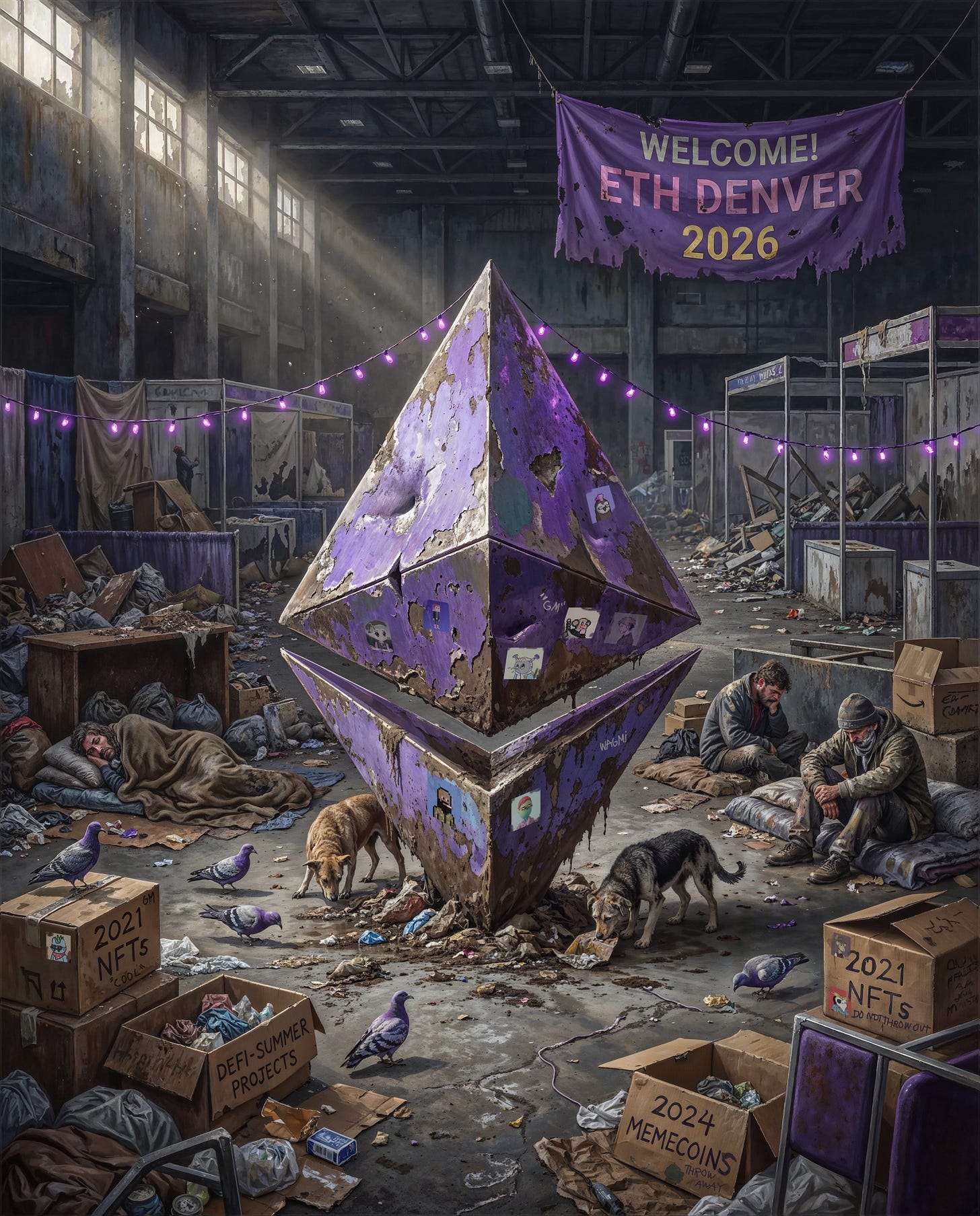
ETHDenver 2026. Side events collapsed 85% year over year, from 668 in 2025 to 56 this year. The organizers will tell you the hype crowd thinned and the builders stayed. Maybe. But the side event calendar is a proxy for how many teams and ecosystems think the room is worth renting. When that number falls by 85% in a single cycle, the conference that once served as Ethereum's annual confidence vote is now in the business of explaining its own attendance data. That’s a different position than it was 12 months ago. (thanks for the vibes Beeple)
On Deck for the Week of February 23
The CLARITY Act deadline is March 1. The White House wants a deal between the SEC and CFTC on jurisdictional authority over digital assets. Whether that happens on schedule will tell you a lot about how serious the current administration is about making the U.S. the capital of this asset class, not just talking about it.
And on a personal note: I will be on the ground in Miami Beach on February 24 for an institutional reception organized by CoinRoutes, Securitize Fund Services, BitGo, Crypto Insights Group, Wintrust Funds Group, and Withum. The room represents a meaningful cross-section of custody, fund services, and institutional infrastructure. Exactly the kind of conversation worth having in person. If you will be there, reach out.

Trade carefully out there. Skip the leverage. And if you’re looking for help integrating AI into your advisory practice or building a digital asset framework for clients, you know where to find me.
Until next week.
— Matthew
X: @bit_finance_
oh! one last thing…if you want to dive deeper into how Buffett’s investing principles applies to digital assets, check out my book.
We took 1,300+ pages of wisdom from the Oracle of Omaha and condensed it into a snackable, easy-to-read guide for digital asset investors. Pick up your copy today!