The Secret to Warren Buffett's Fortune and How to Use It in Crypto
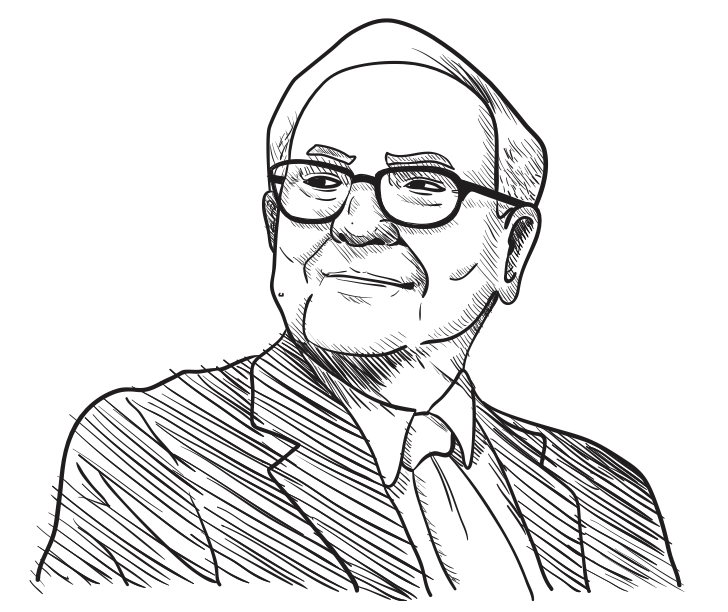
Many people believe Warren Buffett made his billions by buying great companies like Coca-Cola and holding onto them for good. However, that's not the full picture. The way Buffett built his early fortune is actually quite different from his current investment approach.
The Early Years
Young Warren Buffett learned about investing from Ben Graham at Columbia University. Graham taught him to look for companies that were selling for much less than they were worth. This is called value investing. After college, Buffett worked for Graham's investment firm, where he put these ideas into practice.
From 1957 to 1970, before he became famous, Warren Buffett operated an investment partnership that generated remarkable returns. By reviewing the letters he sent to his partners during this period, we can discover the exact strategies he used to achieve this success.
Buffett's Four Investment Strategies
The Business Buyer Approach: Buffett would find good, solid companies that were selling for much less than their actual value. He would buy their stock as if he were buying the whole business, planning to hold it for a long time. He wasn't interested in quick profits or following market trends.
The Undervalued Company Strategy: Sometimes Buffett would find companies that weren't super cheap but were still worth more than their stock price suggested. It was like buying a $100 bill for $70 - not an amazing deal, but still profitable if you're patient.
The Special Situation Method: Buffett made money from special events like company mergers or reorganizations. These opportunities could be profitable no matter what the overall stock market was doing. It was like finding free money if you knew where to look.
The Control Strategy Sometimes Buffett would buy enough stock to influence how a company was run. This gave him the power to make changes that would increase the company's value.
A Real Example: The Dempster Mill Story
One of Buffett's best early investments was in Dempster Mill, a company that made farm equipment in Nebraska. The company's stock was selling for $18 per share, but the company itself was worth about $72 per share. Buffett bought enough shares to own most of the company. Then he brought in new managers to improve the business and nearly tripled his investment.
The American Express Opportunity
In 1963, American Express got into trouble because of a scandal involving soybean oil storage. Many people thought the company would go bankrupt, and its stock price fell by half. Buffett studied the situation carefully and realized the company's main business was still strong. He invested $13 million when everyone else was selling, and this turned out to be one of his best investments ever.
Why This Matters Today - Even for Digital Assets
Buffett has said that if he were managing a smaller amount of money today, he would invest the same way he did in his early years. While Buffett himself doesn't invest in cryptocurrency or NFTs, his early investment principles can actually teach us a lot about investing in digital assets:
The Value Principle Just like Buffett looked for undervalued companies, you can look for digital assets and cryptocurrencies that have strong fundamentals but are currently selling for less than they're worth. This means studying things like the technology behind the asset, its real-world uses, and the team developing it.
The Special Situation Strategy In the digital asset world, special situations might include token mergers, blockchain upgrades, or major protocol changes. Just like Buffett profited from corporate events, you can find opportunities in significant crypto ecosystem events.
The Market Panic Opportunity Remember how Buffett bought American Express during a crisis? The digital asset market also has moments of panic when even good projects get sold off. These moments of fear can create opportunities if you've done your research and understand what you're buying.
The key to success isn't about catching the next big meme coin or timing the market perfectly. Instead, it's about:
Understanding the technology and real use cases behind digital assets
Looking for projects selling for less than their actual value
Being patient during market downturns
Taking advantage of special situations in the crypto ecosystem
As Buffett says, the market shifts money from those who are impatient to those who are patient. With the volatility we experience in the digital assets market, patience and thorough research provide massive advantages.