Three Buckets and a Reality Check: How I Actually Think About Crypto Allocation
Let’s get something out of the way: the days of feeling embarrassed about owning Bitcoin are over.
A few years back, recommending crypto allocation to clients was a career risk. Now Bank of America is suggesting 2-4% exposure for high-net-worth portfolios. The script has flipped.
If you’re a financial adviser who ignored this space entirely, you’re the one explaining yourself at cocktail parties now.
But here’s the thing, the institutional era doesn’t mean everything in crypto is suddenly investable. If anything, it means you need to think harder about what actually belongs in your portfolio and what’s still a lottery ticket with better branding.
Bitcoin Is Not “Crypto”
I say this to every traditional finance person I talk to:
Stop lumping Bitcoin in with everything else. It’s not the same category.
No company owns Bitcoin. We don’t even know who created it. It runs on a network with no CEO to subpoena, no board to pressure, no earnings call where someone can say the wrong thing and tank the price 15%. For an asset with that profile, it’s shockingly boring now. After all, Nvidia was more volatile than Bitcoin in 2025.
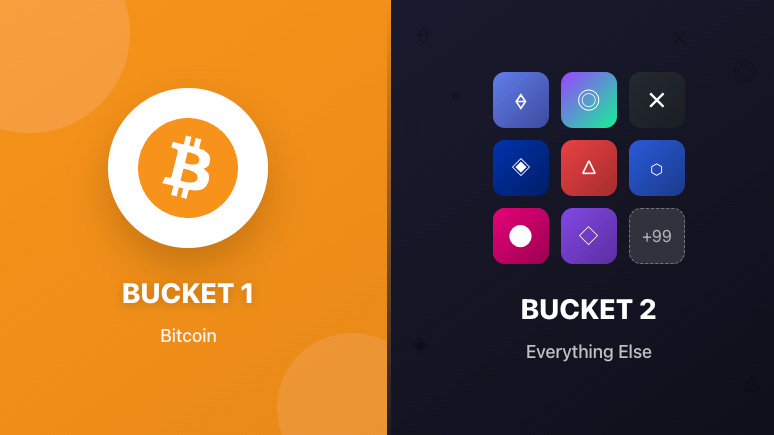
That’s the first bucket: Bitcoin, by itself.
The second bucket is everything else. That includes, altcoins, tokens, whatever we’re calling them this cycle. These are tech bets and speculation. Some will be transformative.
Most won’t exist in five years.
If you look back at the top 100 tokens from 2017, maybe a handful are still relevant today. Buffett would have a field day with those survival rates.

On Altcoins: Know What You Own
This isn’t a “Bitcoin good, altcoins bad” take. Some of the most interesting innovation is happening in tokens that aren’t Bitcoin. But you need to be honest about what you’re actually buying.
Ask yourself: Can this protocol generate consistent revenue? Are there measurable metrics like users, fees, or transaction volume that connect to the token price? Or is the entire thesis “number go up because more people will buy it after me”?
That second thing is speculation. Nothing wrong with speculation! Some of my best trades have been speculative. But don’t tell yourself you’re “investing in the future of finance” when you’re really just gambling that retail FOMO kicks in before you need to exit.
The AI-blockchain intersection is worth paying attention to, by the way. AI agents are going to need payment infrastructure they can directly interface with. Autonomous systems can’t open bank accounts. That’s a real use case developing in real time; not vaporware.
The Picks-and-Shovels Approach
If you’re uncertain about which tokens will win, there’s another approach:
Invest in infrastructure.
Consider Avery Dennison. The company that makes name tags.
They also manufacture labels for medical products now integrating blockchain for tracking and authentication. Tezos partnered with the California DMV to put 50 million vehicle registrations on-chain. Luxury brands like Prada and Louis Vuitton use the Aura Blockchain Consortium to verify product authenticity.

These plays offer quarterly reports which enhances visibility into profitability and margins that’s often impossible with tokens. They also de-risk custody challenges.
Mining stocks have evolved similarly, with many operations now doubling as AI data centers.
Concentration vs. Diversification
Here’s where I’ll lose some people: broad diversification in crypto is often a hedge against doing real research.
If you own 30 tokens, you’re basically admitting you don’t have conviction in any of them.
Buffett’s famous line applies: diversification is protection against ignorance. The people who build wealth concentrate.
The people who preserve wealth diversify. Know which game you’re playing.
That doesn’t mean YOLO your life savings into one asset. It means if you’ve done the work and you have genuine conviction, act like it. Five to seven positions you deeply understand will outperform a basket of 50 things you bought because they were “mentioned on Twitter.”
Cash Isn’t Cowardice
Here’s something counterintuitive in a bull market: go increase your INCOME.
Your ability to generate cash flow may matter more than your current positions.
I keep hearing from people who are fully deployed, no dry powder, waiting for their portfolio to recover so they can “take profits.”
This is backwards thinking.
Bitcoin touched $126,000 before dropping below $90,000. Price discovery is inherently volatile and the next move could be a hockey stick up or a significant reversion.
Instead of rotating between positions playing whack-a-mole with narratives, focus on dollar-cost averaging over time. The three-day rule applies: when news breaks, wait for price action to settle.
Buffett bought Apple roughly 20 years after it was obviously a good investment and still made substantial returns. Being late to a great investment is fine.
Buying at the top is not.
If 2022 taught us anything, it’s that the best opportunities show up when you have cash and most people don’t. Bitcoin at $15K wasn’t available to you if you were underwater on altcoins bought at the top.
The same will be true next time.
I’m not saying sit in cash forever. I’m saying the ability to act when everyone else is panicking is worth more than being 100% invested when things are calm. Think of it as optionality. Buffett has been sitting on record cash at Berkshire for years; not because he’s scared, but because he’s patient.
The Bottom Line
The institutional era is real, but that doesn’t mean everything is suddenly safe or sensible. The framework I keep coming back to:
Bitcoin: Core holding, different risk profile than the rest of crypto, increasingly less volatile, no counterparty risk.
Altcoins: Tech bets and speculation. Treat them accordingly: position sizing matters, and you should be able to articulate a thesis beyond “it’s up.”
Cash: Not dead weight. Optionality. The ability to act when opportunities emerge.
The dramatic 1,000% annual returns of previous cycles might be behind us, replaced by steadier appreciation driven by institutional flows. That’s probably fine. Mature markets don’t make everyone rich overnight. They reward people who show up prepared.
Don’t click random links. Do your own research. And question everything! (including this article) The space has always rewarded independent thinking and punished people who follow crowds.
There will always be another opportunity. The goal isn’t to catch every move. It’s to still be in the game when the moves that matter come around.
— Matthew
X: @matthew_mba_
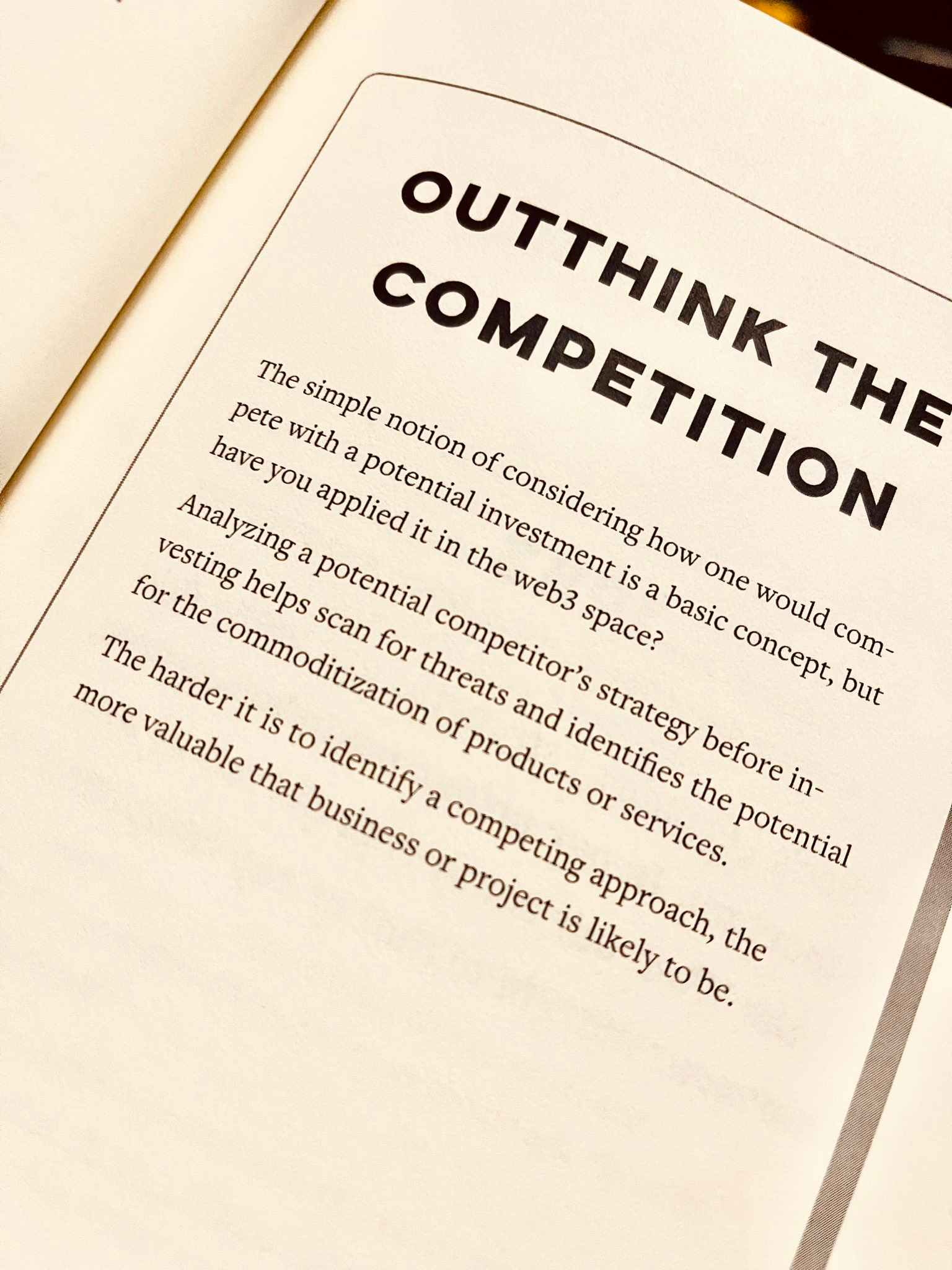
oh! one last thing…if you want to dive deeper into how Buffett’s investing principles applies to digital assets, check out my book.
We took 1,300+ pages of wisdom from the Oracle of Omaha and condensed it into a snackable, easy-to-read guide for digital asset investors. Pick up your copy today!
This article reflects personal views and is not financial advice.