You’re Thinking Too Small: The End of the Four-Year Cycle Mindset

The problem with most investors today isn’t that they don’t have access to information. It’s that they’re thinking in the wrong timeframes. They’re stuck in a cycle—both mentally and in the way they structure their portfolios. But cycles change. And this time, I believe we’re at a major turning point.
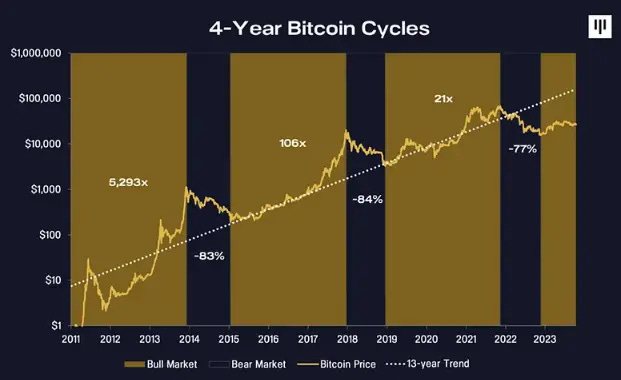
For years, the cryptocurrency market has been defined by a predictable four-year cycle, primarily tied to Bitcoin’s halving schedule. Every four years, the supply issuance is cut in half, reducing the number of new Bitcoin entering the market. This scarcity effect has historically driven bull and bear markets like clockwork. Investors who played this cycle correctly—buying in accumulation phases and selling at cycle peaks—have done incredibly well.
But that playbook is running out of pages.
Breaking the Code-Defined Cycle
This cycle wasn’t just some cosmic force—it was written in code. It was programmed. And it worked when Bitcoin was still early, when retail and speculative flows were the dominant drivers of price action. But as institutional money enters the space, as more capital from sovereign wealth funds, pension funds, and traditional asset allocators flows in, the impact of the halving will diminish.
Cycles won’t be defined by Bitcoin’s issuance anymore. They’ll be defined by broader macroeconomic forces—liquidity, fiscal policy, monetary shifts, and global adoption. The deeper the capital pool becomes, the less these four-year halving-driven cycles will matter. And that’s where the real chasm lies: breaking free from this rigid, outdated framework and seeing the bigger picture.
The Fallacy of Timing the Market
Too many people focus on the wrong game: timing. They ask, When’s the next top? When should I get out? When should I get back in? It’s a trader’s mindset, and while some traders are profitable, the reality is that most people chasing entries and exits end up missing the big moves entirely.
There’s data to support this. Historically, the majority of Bitcoin’s gains have come in just a handful of days. If you miss those days, you miss most of the upside. And trying to time those days is a fool’s errand. Instead of asking, When should I buy? the better question is How much should I be accumulating?
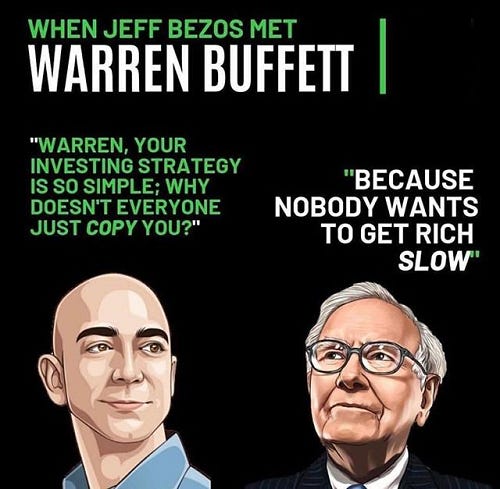
Warren Buffett has always said, “No one wants to get rich slow.” And that’s the problem—most investors aren’t patient. They see market fluctuations and feel the urge to act. They want to trade. They want to feel like they’re doing something. But the wealthiest investors—the ones who truly understand how to build generational capital—aren’t constantly shifting in and out of positions. They accumulate, they hold, and they put their assets to work.
Acquire. Deploy. Repeat.
I’ve been running a fund for several years now. In that time, I can count my taxable transactions on one hand. I don’t trade in and out. I don’t try to time market cycles. I accumulate and put assets to work.
That’s the mindset shift that needs to happen. Stop thinking about when to buy and sell, and start thinking about how to allocate capital into productive assets. The real strategy isn’t just buy-and-hold—it’s buy, deploy, and compound.
There’s a reason real estate investors don’t flip properties every six months. The wealth isn’t in the quick sale; it’s in the passive income, the appreciation, and the long-term value creation. Crypto is no different. Staking, lending, infrastructure investment—these are the mechanisms that separate traders from investors.
The Future of Crypto Investing
This isn’t about catching the next cycle. It’s about understanding that in 2, 5, 10, 20, even 50 years, you’ll look back and realize that it didn’t matter whether you bought Bitcoin at $30,000 or $60,000. What mattered was whether you held and whether you put your assets to work.
The four-year cycle has served its purpose. It was necessary for early adoption, but it won’t dictate the market forever. The real shift happening now is from a speculative-driven asset to a globally recognized, institutionally integrated asset class. That means the future belongs to those who think in decades, not in cycles.
So, stop thinking too small.
Stop thinking in four-year blocks.
Start thinking like an asset allocator, not a trader.
Acquire, deploy, repeat. That’s how real wealth is built.
-------
This newsletter is for informational and educational purposes only and should not be considered investment, legal, or tax advice. It does not constitute an offer to buy or sell any securities or financial instruments, nor should it be relied upon as a recommendation for any investment strategy. All investments involve risk, including potential loss of principal, and past performance is not indicative of future results. The views expressed herein are subject to change without notice and may not be updated.